
What this tutorial covers
From file selection to loaded data, learn how to bring experimental files into a research module.
Before you start:You need access to the product and should ideally follow the tutorial using your own real parameters or data. The screenshots below were manually rematched to avoid the image/topic mismatches seen in the previous version.
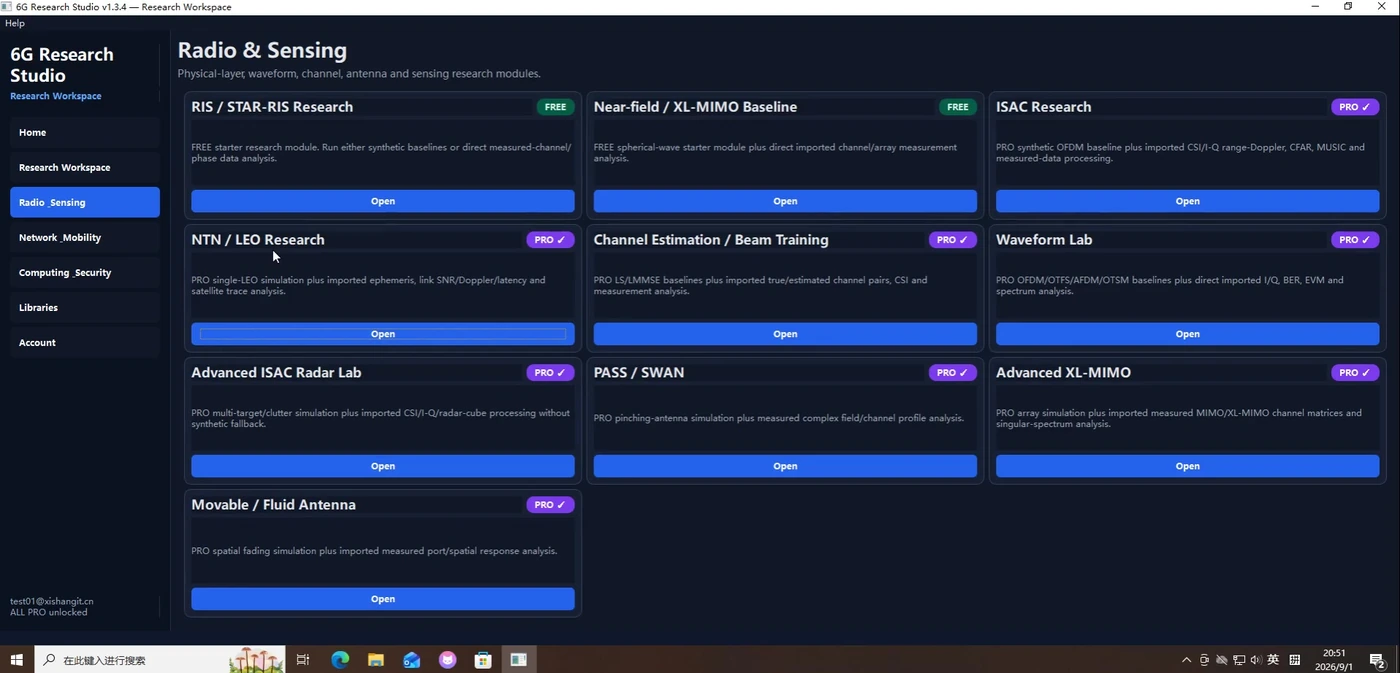
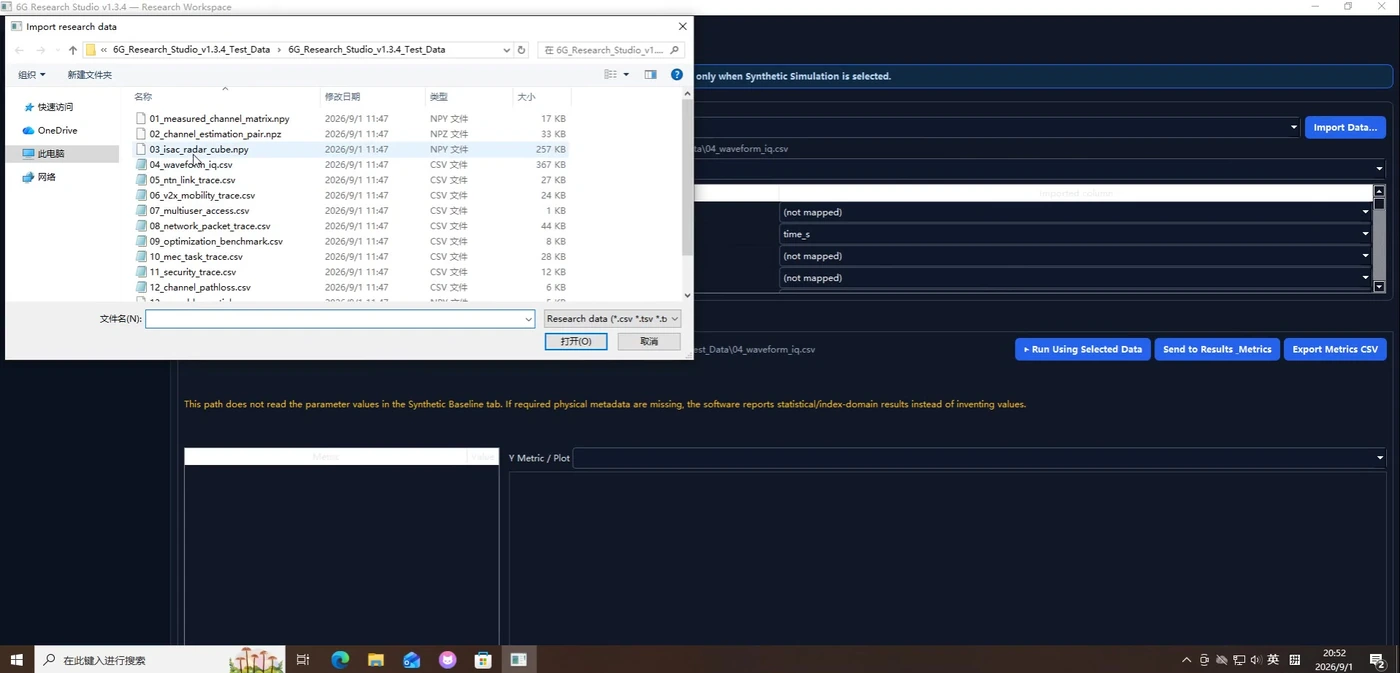
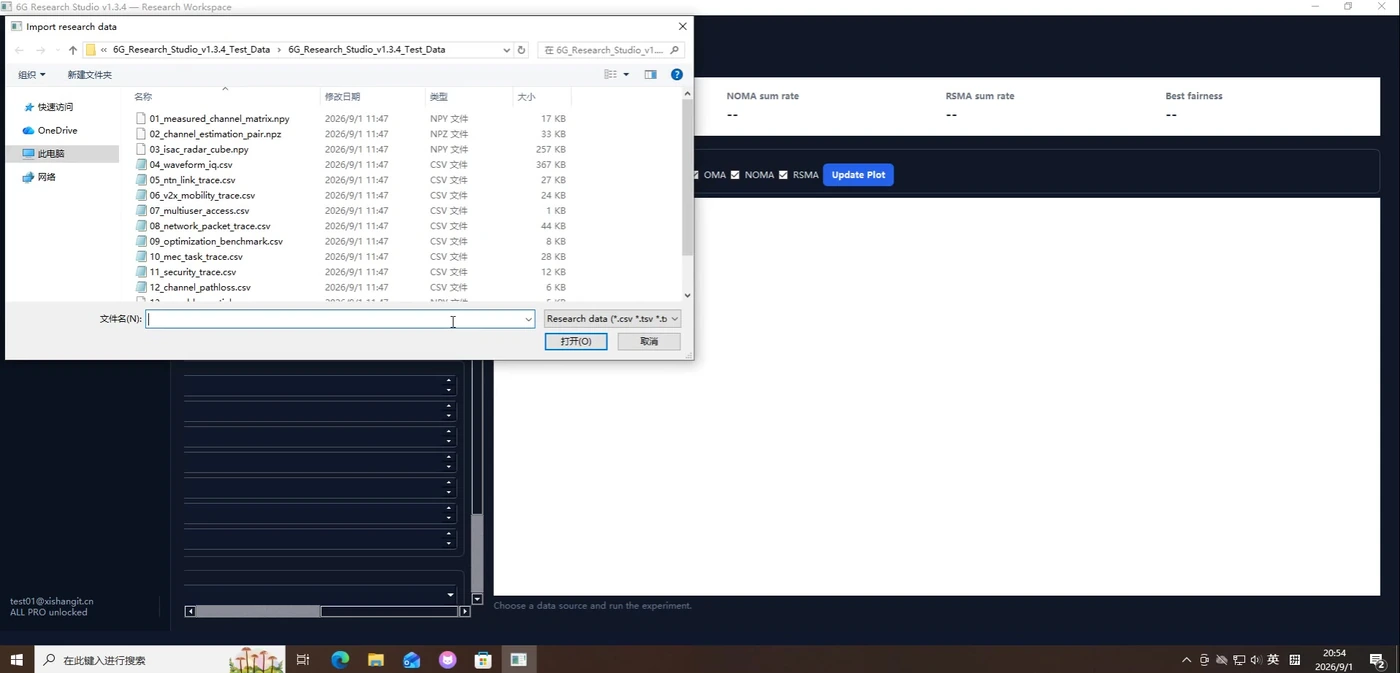
Step-by-step workflow
1Open the module
Enter the target research module and click Import research data. Confirm that the visible page really matches the tutorial topic before changing any settings.
2Configure the input
Prepare and check the experiment file, field structure and import options.
3Run and watch the status
Browse to the file, select the target dataset and finish the import. Watch the visible status, plot or log area while the workflow is running.
4Inspect the result
Pay special attention to a loaded data source ready for later analysis.
5Verify and iterate
If nothing changes after import, re-check file format, column names and module requirements. Change one meaningful parameter and rerun so you can verify whether the output changes in the expected direction.
How to read the result
- The main output of this workflow is a loaded data source ready for later analysis.
- Read the result together with the exact inputs used for the run; a screenshot alone rarely tells the whole story.
- If nothing changes after import, re-check file format, column names and module requirements.
Troubleshooting & practical tips
- If nothing changes, first confirm that the correct module is open.
- If the output looks unrealistic, check units, field mapping and input scale first.
- For comparisons, change one key parameter at a time whenever possible.